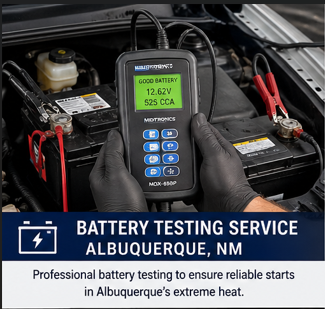
Battery Drain Myths: What’s Really True? Albuquerque Drivers Need to Know
Battery Drain Myths: What’s Really True? Albuquerque Drivers Need to Know
Your car battery is dead again. But is the battery really the problem?
You turn the key or push the start button, expecting your engine to fire right up. Instead, you hear a rapid clicking sound, notice dim dashboard lights, or get absolutely nothing.
Frustrating, right?
If you've ever dealt with a dead car battery, you've probably heard plenty of advice about what caused it. Maybe someone told you that leaving your phone charger plugged in overnight will drain your battery. Or that driving around the block is enough to recharge it.
Some of that advice has a little truth behind it. Other parts are common misconceptions.
At Donny's Automotive in Albuquerque, NM, we believe understanding your vehicle is one of the best ways to avoid unexpected breakdowns and unnecessary repairs.
Let's separate the most common battery drain myths from the facts so you can make smarter decisions about your vehicle.
Why Does My Car Battery Keep Dying?
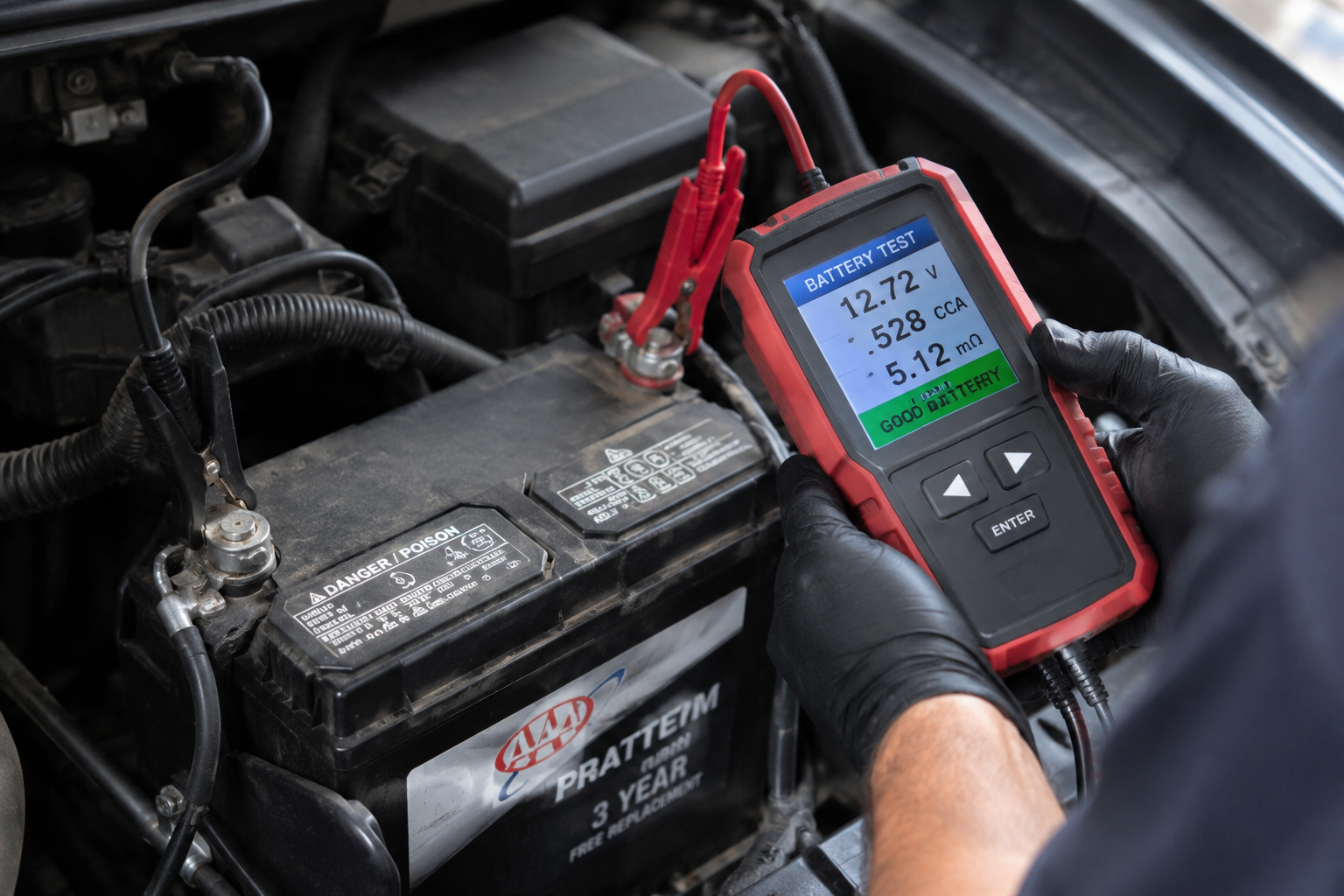
A car battery can repeatedly lose its charge because of age, an electrical problem, a charging system issue, or something drawing power while the vehicle is parked.
Some of the most common causes include:
An aging or weakened battery
Lights or accessories left on
An excessive electrical draw when the engine is off
A faulty alternator or charging system
Loose or corroded battery connections
Frequent short trips that don't restore the charge used during starting
Extreme temperatures that affect battery performance
The important thing to remember is that a dead battery is a symptom, not always the root cause.
Replacing the battery without identifying the problem could leave you dealing with the same frustration again.
Myth #1: A Dead Battery Always Means You Need a New Battery
The Truth: Your Battery May Be Fine, but Something Else Is Draining It
When a car won't start, the battery is usually the first suspect.
And sometimes, it really is the problem.
But a battery can also go dead because it isn't being recharged properly or because an electrical component continues drawing too much power after the vehicle is turned off.
For example, imagine installing a brand-new battery only to find it dead a few mornings later.
The problem might be a malfunctioning electrical module, a light that stays on, or a charging system fault.
A proper diagnosis can help determine whether your vehicle needs a new battery, charging system repairs, or an electrical repair.
Bottom line: Test the battery and charging system before assuming replacement is the only answer.
Myth #2: Leaving Your Phone Charger Plugged In Will Always Kill Your Battery
The Truth: It Depends on Your Vehicle and the Charger
This is one of the most common questions drivers ask.
Will leaving a USB cable or phone charger plugged into your car overnight drain the battery?
Not necessarily.
Many newer vehicles automatically shut off power to certain USB ports and accessory outlets when the ignition is turned off.
Other vehicles keep those outlets powered even when parked.
A charger that remains energized may use a small amount of electricity, and a connected device can draw more. Whether that causes a starting problem depends on the amount of power used, how long the vehicle sits, and the battery's condition.
If your car frequently has a weak battery after sitting overnight, the charger is worth checking, but it shouldn't automatically be blamed.
Bottom line: Know which outlets stay powered when your vehicle is off, especially if you leave accessories connected for long periods.
Myth #3: A Quick Drive Around the Block Will Fully Recharge Your Battery
The Truth: A Short Drive May Not Restore a Low Battery
Here's a situation many Albuquerque drivers recognize.
Your car won't start in the morning. You get a jump-start, drive around the neighborhood for ten minutes, and assume everything is back to normal.
Unfortunately, that short drive may not be enough.
Starting your engine requires a significant burst of electrical energy. If your battery was deeply discharged, it can take much longer to restore its charge.
The amount of charging that occurs depends on the battery's condition, the alternator's output, electrical demand, and driving conditions.
And if the alternator isn't functioning properly, driving won't solve the underlying problem.
A deeply discharged battery may need to be charged with an appropriate battery charger and then tested.
Bottom line: A jump-start gets your vehicle running. It doesn't guarantee that the battery is healthy or fully recharged.
Myth #4: Car Batteries Only Fail During Winter
The Truth: Albuquerque's Summer Heat Can Be Tough on Batteries, Too
Cold weather gets much of the attention when it comes to battery problems.
But heat can be just as important.
Albuquerque drivers experience hot summer afternoons, cold winter mornings, and substantial temperature swings throughout the year.
High temperatures can accelerate battery deterioration and shorten battery life. Cold temperatures, meanwhile, reduce a battery's ability to deliver starting power.
That means a battery weakened during summer may finally reveal its problems when winter temperatures arrive.
You might not notice anything wrong until the first chilly morning when your engine cranks more slowly than usual.
Bottom line: Battery testing is useful before both the hottest and coldest parts of the year.
Myth #5: If Your Alternator Is Working, Your Battery Can't Go Dead
The Truth: The Battery and Alternator Have Different Jobs
Your battery and alternator work together, but they aren't interchangeable.
The battery supplies the power needed to start your engine and supports electrical systems when necessary.
Once the engine is running, the alternator helps power your vehicle's electrical systems and recharge the battery.
But even with a functioning alternator, a battery can fail because of age, internal damage, poor connections, or excessive electrical drain while the engine is off.
Likewise, a healthy battery can eventually discharge if the charging system isn't working correctly.
That's why checking only one component may not reveal the entire problem.
Bottom line: Battery testing and charging system testing are both important when diagnosing repeated starting problems.
Myth #6: A Battery That Tests Good Can’t Be the Problem
The Truth: The Type of Test and Battery Conditions Matter
Not every battery test provides the same information.
A voltage reading can show a battery's state of charge, but voltage alone doesn't prove that the battery can deliver enough power to start your engine.
A battery may appear adequately charged while still struggling under load.
A thorough inspection may include evaluating battery condition, starting performance, charging voltage, connections, and electrical demand.
Testing also needs to account for whether the battery is properly charged before certain results can be interpreted reliably.
Bottom line: A complete diagnosis tells you more than a single voltage reading.
Myth #7: If Everything Is Turned Off, Nothing Can Drain Your Battery
The Truth: Some Electrical Systems Keep Working After You Park
Modern vehicles use electricity even when the engine is off.
Security systems, keyless-entry receivers, clocks, and computer memory may continue drawing small amounts of power.
This is normal.
The problem occurs when the electrical draw is excessive or a system fails to enter its low-power mode.
This condition is often called parasitic battery drain.
Possible causes include:
A glove box or trunk light that remains on
A malfunctioning electrical control module
Aftermarket accessories installed incorrectly
A relay that stays energized
A device that prevents vehicle electronics from going to sleep
Diagnosing parasitic drain can require specialized testing because some vehicle systems remain active for a period after the ignition is turned off.
Bottom line: Your vehicle doesn't have to be visibly running for an electrical problem to discharge its battery.
Myth #8: You Can Always Tell When Your Battery Is About to Fail
The Truth: Some Batteries Fail With Very Little Warning
Sometimes, a weakening battery gives you clues.
Other times, it seems to fail out of nowhere.
Watch for these warning signs:
The engine cranks more slowly than normal
You hear clicking when trying to start
Interior lights appear unusually dim
The vehicle needs repeated jump-starts
Battery terminals show corrosion
The battery case appears swollen or damaged
The battery is several years old and hasn't been tested recently
These symptoms don't all prove the battery is defective, but they do indicate that your starting and electrical systems deserve attention.
If a battery is swollen, leaking, or visibly damaged, avoid handling or jump-starting it and have it professionally inspected.
Bottom line: Don't wait for a complete breakdown before checking a battery that shows signs of trouble.
What Really Causes Parasitic Battery Drain?
Parasitic drain happens when a vehicle uses more electrical power than it should while parked.
A small amount of electrical consumption is normal in many modern vehicles.
Excessive consumption, however, can discharge a battery over several hours or days.
How Do Mechanics Find an Electrical Drain?
A technician may begin by checking the battery's condition and charge, inspecting connections, and confirming that the charging system is operating correctly.
If those components check out, the next step may be measuring electrical current while the vehicle is off.
Because modern vehicles can take time to enter sleep mode, the test must account for normal system activity.
From there, the technician can investigate the circuit or component responsible for the excessive draw.
This process helps distinguish a defective battery from an electrical problem that would drain even a new one.
How Albuquerque Driving Habits Can Affect Battery Life
Living in Albuquerque creates some unique challenges for your vehicle's electrical system.
Hot Summer Weather
High under-hood temperatures can accelerate battery aging, particularly when a battery is already approaching the end of its service life.
Short Neighborhood Trips
Frequent short trips around Central Avenue, the Northeast Heights, or nearby neighborhoods may not give the charging system enough time to restore energy used during starting.
Vehicles That Sit for Extended Periods
If you work from home, own a second vehicle, or leave your car parked while traveling, normal standby electrical consumption can gradually reduce the battery's charge.
Stop-and-Go Traffic
Driving conditions, air conditioning use, and other electrical demands affect the vehicle's charging workload. A healthy charging system is designed to manage these demands, but an existing battery or charging problem may become more noticeable.
The solution isn't to avoid driving in Albuquerque's weather or traffic.
It's to keep your battery and charging system in good condition.
7 Practical Ways to Help Prevent a Dead Car Battery
A few simple habits can reduce your chances of dealing with an unexpected no-start situation.
Have your battery tested periodically, especially as it gets older.
Pay attention to slow engine cranking, even if the vehicle still starts.
Check that lights and accessories turn off when you leave the vehicle.
Keep battery connections secure and free of excessive corrosion, with professional service when needed.
Don't rely on short drives to recharge a deeply discharged battery.
Use an appropriate battery maintainer if your vehicle will be parked for extended periods, following the vehicle and charger manufacturers' instructions.
Schedule an electrical system inspection if the battery repeatedly loses its charge.
Prevention is often much more convenient than needing a jump-start when you're already running late.
Frequently Asked Questions About Car Battery Drain
Why does my car battery die overnight?
An overnight battery failure can result from a weak battery, an excessive electrical draw, a charging system problem, or an accessory left on. Testing is the best way to identify the cause.
Can a bad alternator drain my battery when the car is off?
Yes. Certain alternator faults, including a failed diode, can allow unwanted electrical current flow while the engine is off. However, not every alternator problem causes an overnight drain.
How long should a car battery last in Albuquerque?
Many car batteries last roughly three to five years, but actual life varies with battery design, heat exposure, driving patterns, maintenance, and vehicle electrical demands. Albuquerque's summer heat can shorten battery life.
Can a car battery recharge itself while parked?
A conventional vehicle battery doesn't recharge itself simply by sitting. It needs an external charging source, such as a properly functioning vehicle charging system while the engine runs or a compatible battery charger.
Why does my new car battery keep dying?
A new battery can discharge because of parasitic drain, a charging system problem, poor electrical connections, or installation issues. Replacing the battery again without diagnosing the cause may not fix the problem.
Is it safe to keep jump-starting a car with a dead battery?
Repeated jump-starts aren't a substitute for diagnosing the issue. Incorrect jump-start procedures can damage components or cause injury, and a damaged battery may be unsafe to jump-start. Follow the vehicle manufacturer's instructions and seek professional assistance when needed.
Where can I get my car battery checked in Albuquerque?
If you're experiencing repeated dead batteries, slow starts, or electrical problems, contact Donny's Automotive in Albuquerque to discuss a battery and charging system inspection.
Stop Guessing About Battery Problems. Let’s Find the Real Cause.
A dead battery can disrupt your entire day.
But replacing parts without knowing why the battery lost its charge can turn a frustrating problem into an expensive guessing game.
Whether your vehicle struggles to start on a cold Albuquerque morning, loses its charge after sitting overnight, or needs frequent jump-starts, the important first step is identifying the actual cause.
At Donny's Automotive, we're here to help local drivers understand their vehicle problems and make informed repair decisions.
Having battery trouble? Contact Donny's Automotive today.
Donny's Automotive
12910 Central Ave SE, Albuquerque, NM 87123
(505) 312-2455
https://donnysautomotive.com
Don't wait until your car leaves you stranded. Call us to discuss your battery concerns and schedule an inspection.
