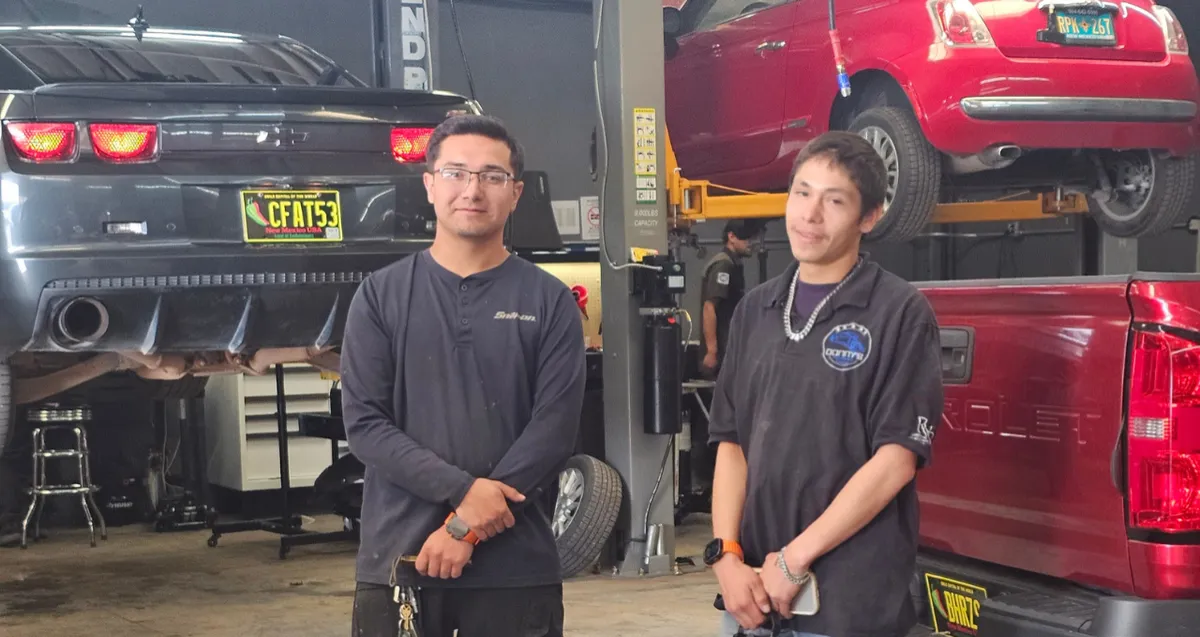
Fall Vehicle Maintenance Checklist for Albuquerque Drivers: 10 Essential Tips Before Winter
Fall Vehicle Maintenance Checklist for Albuquerque Drivers: 10 Essential Tips Before Winter
Fall in Albuquerque, NM, brings cooler mornings, shorter days, and a reminder that winter isn't far behind. Is your vehicle ready?
One day, you're driving down Central Avenue with the air conditioning running. A few weeks later, you're scraping frost off your windshield before heading to work.
That's life in New Mexico.
While Albuquerque doesn't experience the harsh winters of some northern states, our combination of high-desert temperatures, dusty roads, changing weather, and occasional freezing conditions can take a toll on your vehicle.
The good news? A little preventive maintenance now can help you avoid unexpected repairs, frustrating breakdowns, and expensive surprises later.
At Donny's Automotive in Albuquerque, NM, we believe taking care of your vehicle should be straightforward. That's why we've put together this practical fall vehicle maintenance checklist to help local drivers stay safe, comfortable, and prepared.
Why Is Fall Vehicle Maintenance Important in Albuquerque, NM?
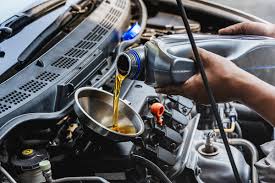
Fall vehicle maintenance helps prepare your car for colder temperatures, changing road conditions, and the additional demands winter places on your battery, tires, brakes, and heating system.
Albuquerque's climate presents some unique challenges.
Summer temperatures can be hard on batteries, cooling systems, and rubber components. As temperatures drop in October and November, problems that developed during the summer may become more noticeable.
Drivers also encounter different conditions depending on where they travel.
A commute along I-40 may be relatively dry, while a weekend trip toward the Sandia Mountains can involve significantly colder temperatures and even snow or ice.
That's why preparing your vehicle before winter arrives makes sense.
Here are 10 important maintenance checks every Albuquerque driver should consider this fall.
1. Test Your Car Battery Before Cold Weather Arrives
Your battery works hard during Albuquerque's hot summers.
Unfortunately, extreme heat can accelerate battery deterioration, and cooler temperatures can expose a battery that's already getting weak.
You might notice:
Your engine cranks more slowly than usual.
Your headlights dim when starting the vehicle.
Your battery warning light appears.
Your vehicle needs a jump-start.
Your battery is several years old.
Fall maintenance tip: Have your battery tested, especially if it's three years old or older or you've noticed starting problems.
A professional battery test can help determine whether your battery is still reliable or approaching the end of its useful life.
Don't wait until a freezing Albuquerque morning to discover your battery isn't up to the job.
2. Check Your Tires and Tire Pressure
Here's something many drivers overlook: Tire pressure changes as outdoor temperatures change.
As a general rule, tire pressure can decrease approximately 1 PSI for every 10°F drop in temperature.
That means tires inflated correctly during a warm September afternoon may be underinflated during a cold November morning.
Underinflated tires can affect handling, fuel efficiency, and tire wear.
What should Albuquerque drivers check?
Tire pressure: Check when tires are cold and inflate to the pressure listed on your vehicle's door-jamb sticker.
Tread depth: Inspect tires for worn or uneven tread. The legal minimum is not necessarily enough for safe winter driving.
Sidewall condition: Look for cracking, bulges, or visible damage.
Tire alignment: Uneven wear or a vehicle pulling to one side may indicate an alignment problem.
Spare tire: Make sure it's properly inflated and your tire-changing equipment is accessible.
If you're planning trips into the Sandia Mountains, Santa Fe, or other higher-elevation areas, consider whether your tires are appropriate for possible winter conditions.
Local driving tip: Tires that perform well on dry Albuquerque streets may not provide sufficient traction on snow-covered mountain roads.
3. Inspect Your Brakes Before Winter Driving
Your brakes are one of your vehicle's most important safety systems.
And fall is an excellent time to make sure they're working properly.
Albuquerque drivers regularly encounter stop-and-go traffic along Central Avenue, I-25, and busy intersections throughout the city.
Add wet pavement, freezing temperatures, or mountain driving, and dependable brakes become even more important.
Warning signs your brakes need attention
Squealing, grinding, or scraping noises.
A brake pedal that feels unusually soft or spongy.
Vibration when braking.
Your vehicle pulling to one side.
Increased stopping distance.
A brake warning light on your dashboard.
If you're experiencing any of these symptoms, don't ignore them.
A professional brake inspection can identify worn brake pads, damaged rotors, hydraulic problems, and other issues before they become more serious.
Donny's Automotive tip: If your brakes are making unusual noises or your vehicle isn't stopping normally, schedule a brake inspection promptly.
4. Check Your Engine Oil and Schedule an Oil Change if Needed
Your engine oil protects moving components, reduces friction, and helps control engine temperature.
After a long Albuquerque summer, it's worth checking whether your vehicle is due for an oil change.
Dusty driving conditions, frequent short trips, stop-and-go traffic, and extreme temperatures may influence your maintenance needs.
What should you look for?
Oil level below the recommended range.
Oil leaks under your vehicle.
An illuminated oil warning light.
An overdue oil change based on your vehicle's maintenance schedule.
Unusual engine noises.
Always use the oil viscosity and specification recommended by your vehicle manufacturer.
Important: If your oil pressure warning light comes on while driving, stop safely and shut off the engine. Continuing to drive can cause serious engine damage.
For Albuquerque drivers who frequently travel dusty roads or make short trips around town, reviewing the manufacturer's severe-service maintenance schedule may be worthwhile.
5. Inspect Your Cooling System and Antifreeze
Think your cooling system only matters during summer?
Think again.
Your engine's cooling system helps regulate operating temperature throughout the year.
Coolant also provides freeze protection, which becomes important when Albuquerque temperatures drop below freezing.
A cooling system inspection should include:
Checking coolant level when the engine is cold.
Inspecting hoses for cracks, leaks, or deterioration.
Looking for signs of radiator leaks.
Testing coolant condition and freeze protection.
Checking for overheating or temperature fluctuations.
Never remove a radiator cap while the engine is hot.
Also, don't assume that adding water alone provides adequate winter protection.
Your vehicle requires the correct coolant type and concentration recommended by its manufacturer.
Fall maintenance tip: Have your cooling system checked before the first hard freeze, especially if you've noticed coolant loss, overheating, or inconsistent cabin heat.
6. Test Your Heater and Defroster
Nobody wants to discover their heater doesn't work on a cold Albuquerque morning.
But your heating and defrosting systems are about more than comfort.
They're important for maintaining visibility.
When your windshield fogs up or frost develops overnight, you need a properly functioning defroster.
Quick heater and defroster checklist
Turn on your heater and confirm it produces warm air after the engine reaches operating temperature.
Test the front windshield defroster.
Check the rear-window defogger.
Make sure airflow is strong and consistent.
Replace a dirty cabin air filter when needed.
Pay attention to unusual smells or persistent window fogging.
If your heater blows cold air after the engine has warmed up, the problem could involve low coolant, a thermostat issue, or another heating-system component.
A professional inspection can identify the cause.
7. Replace Worn Windshield Wipers and Check Washer Fluid
Albuquerque is known for sunshine, but fall and winter can still bring rain, frost, wind, and occasional snow.
Your windshield wipers need to be ready.
Summer heat and UV exposure can cause wiper blades to become brittle, cracked, or ineffective.
If your wipers streak, skip, chatter, or leave areas of the windshield uncleared, it's time to inspect them.
Don't forget the washer fluid
Use windshield washer fluid with freeze protection appropriate for the temperatures you expect to encounter.
Plain water can freeze in the reservoir or washer lines.
And if you frequently travel through dusty parts of Albuquerque or along I-40, keeping your windshield clean is especially important for safe visibility.
Simple tip: Check your wipers and washer fluid before the first cold-weather storm, not during it.
8. Inspect Belts, Hoses, and Fluid Levels
Temperature changes can reveal weaknesses in aging rubber components.
A worn belt or deteriorating hose may work fine one day and fail unexpectedly the next.
During your fall vehicle inspection, consider having a technician examine:
Engine drive belts.
Radiator and heater hoses.
Brake fluid condition.
Transmission fluid, where serviceable.
Power steering fluid, if applicable.
Engine coolant.
Visible fluid leaks.
Not every vehicle requires the same fluid services, and some modern vehicles have sealed systems or electric power steering.
Follow your manufacturer's recommended maintenance schedule rather than replacing fluids unnecessarily.
The goal is to identify developing problems before they leave you stranded.
9. Check Your Headlights, Brake Lights, and Exterior Lighting
As daylight hours get shorter, more Albuquerque drivers find themselves commuting in darkness.
That makes working exterior lights especially important.
Take a few minutes to inspect:
Low-beam and high-beam headlights.
Brake lights.
Turn signals.
Tail lights.
Reverse lights.
License plate lights.
Cloudy or oxidized headlight lenses can also reduce nighttime visibility.
If your headlights look yellowed or hazy, ask whether headlight restoration or replacement is appropriate.
Good visibility helps you see the road, and helps other drivers see you.
10. Prepare an Emergency Kit for Albuquerque Winter Driving
Even a well-maintained vehicle can experience unexpected problems.
A flat tire, sudden storm, or highway closure can quickly turn an ordinary drive into a stressful situation.
That's why every Albuquerque driver should keep a basic emergency kit in their vehicle.
Recommended fall and winter emergency supplies
Jumper cables or a properly charged portable jump starter.
Flashlight with working batteries.
Warm blanket and extra clothing.
Bottled water and nonperishable snacks.
First-aid kit.
Phone charging cable or portable power bank.
Ice scraper.
Tire pressure gauge.
Reflective warning triangles.
Basic vehicle tools.
If you're traveling toward the Sandia Mountains, the East Mountains, or northern New Mexico, consider additional cold-weather supplies.
Before heading into higher elevations, check road and weather conditions.
The New Mexico Department of Transportation's NMRoads website provides information about road conditions, closures, and travel alerts.
A few minutes of preparation can make a big difference.
Your Quick Fall Vehicle Maintenance Checklist for Albuquerque, NM
Before winter arrives, make sure you've addressed these 10 important areas:
Battery: Test battery health and inspect connections.
Tires: Check pressure, tread depth, and overall condition.
Brakes: Inspect braking performance and investigate unusual noises.
Engine oil: Check the level and follow your maintenance schedule.
Cooling system: Verify coolant condition and freeze protection.
Heater and defroster: Confirm both systems work properly.
Windshield wipers: Replace worn blades and refill washer fluid.
Belts and hoses: Inspect for wear, cracks, and leaks.
Exterior lighting: Test headlights, brake lights, and turn signals.
Emergency supplies: Stock your vehicle for unexpected winter conditions.
You don't necessarily need to replace everything on this list.
The important thing is knowing which components are in good condition and which ones need attention.
How Often Should You Have Your Vehicle Inspected in Albuquerque?
For most drivers, scheduling a general vehicle inspection at least once a year, along with following the manufacturer's mileage-based maintenance recommendations, is a sensible starting point.
A fall inspection is especially useful because it gives you an opportunity to address issues before colder weather arrives.
You may need more frequent inspections if you:
Drive long distances every day.
Frequently travel on dusty or unpaved roads.
Own an older or high-mileage vehicle.
Regularly tow trailers or carry heavy loads.
Make frequent short trips.
Travel into mountain areas during winter.
Your vehicle's age, condition, driving habits, and manufacturer's recommendations should guide your maintenance schedule.
Frequently Asked Questions About Fall Car Maintenance in Albuquerque
When should I schedule fall vehicle maintenance in Albuquerque, NM?
September through November is a practical time to schedule fall vehicle maintenance in Albuquerque. Ideally, have your battery, tires, brakes, coolant, and heating system inspected before freezing temperatures become common.
Does Albuquerque's desert climate affect car maintenance?
Yes. High summer temperatures, intense sunlight, airborne dust, and changing seasonal temperatures can affect batteries, tires, filters, rubber components, and cooling systems. Regular inspections help identify wear associated with these conditions.
Do I need winter tires in Albuquerque?
Not every Albuquerque driver needs dedicated winter tires. Your decision should depend on where you drive, the weather conditions you encounter, and your vehicle's requirements. Drivers who frequently travel into snowy mountain areas may benefit from winter-rated tires.
Why does my tire pressure warning light come on during cold mornings?
As temperatures drop, the air pressure inside your tires decreases. If the pressure falls below your vehicle's monitoring threshold, the tire pressure warning light may illuminate. Check and adjust tire pressure when the tires are cold, using the manufacturer's recommended pressure.
Can cold weather cause my car battery to fail?
Yes. Cold temperatures reduce a battery's available starting power, while the engine may require more power to start. Batteries weakened by summer heat may struggle when colder weather arrives.
Where can I get a fall vehicle maintenance inspection in Albuquerque?
Drivers looking for local auto repair and vehicle maintenance can contact Donny's Automotive at 12910 Central Ave SE, Albuquerque, NM 87123, to discuss their vehicle's maintenance needs and available inspection services.
Get Your Vehicle Ready for Fall at Donny's Automotive in Albuquerque, NM
Albuquerque's beautiful fall weather makes it easy to forget that colder temperatures are just around the corner.
But waiting until your vehicle breaks down is rarely the most convenient or affordable way to handle maintenance.
A weak battery, worn tires, neglected coolant, or unreliable brakes can turn a normal day into an expensive headache.
Taking care of these issues early can help you drive with greater confidence.
Whether you're commuting along Central Avenue, heading across town on I-40, or planning a weekend trip into the Sandia Mountains, keeping your vehicle properly maintained matters.
Donny's Automotive is here to help Albuquerque drivers prepare for the road ahead.
Schedule Your Fall Vehicle Maintenance in Albuquerque Today
Donny's Automotive
Address: 12910 Central Ave SE, Albuquerque, NM 87123
Phone:(505) 312-2455
Website:donnysautomotive.com
Call Donny's Automotive at (505) 312-2455 to discuss your vehicle's fall maintenance needs or ask about scheduling an inspection.
And if you've recently visited Donny's Automotive, consider sharing your experience in a Google review. Your feedback can help other Albuquerque drivers find a local auto repair shop.
Take care of your car this fall, so it's ready to take care of you all winter.
