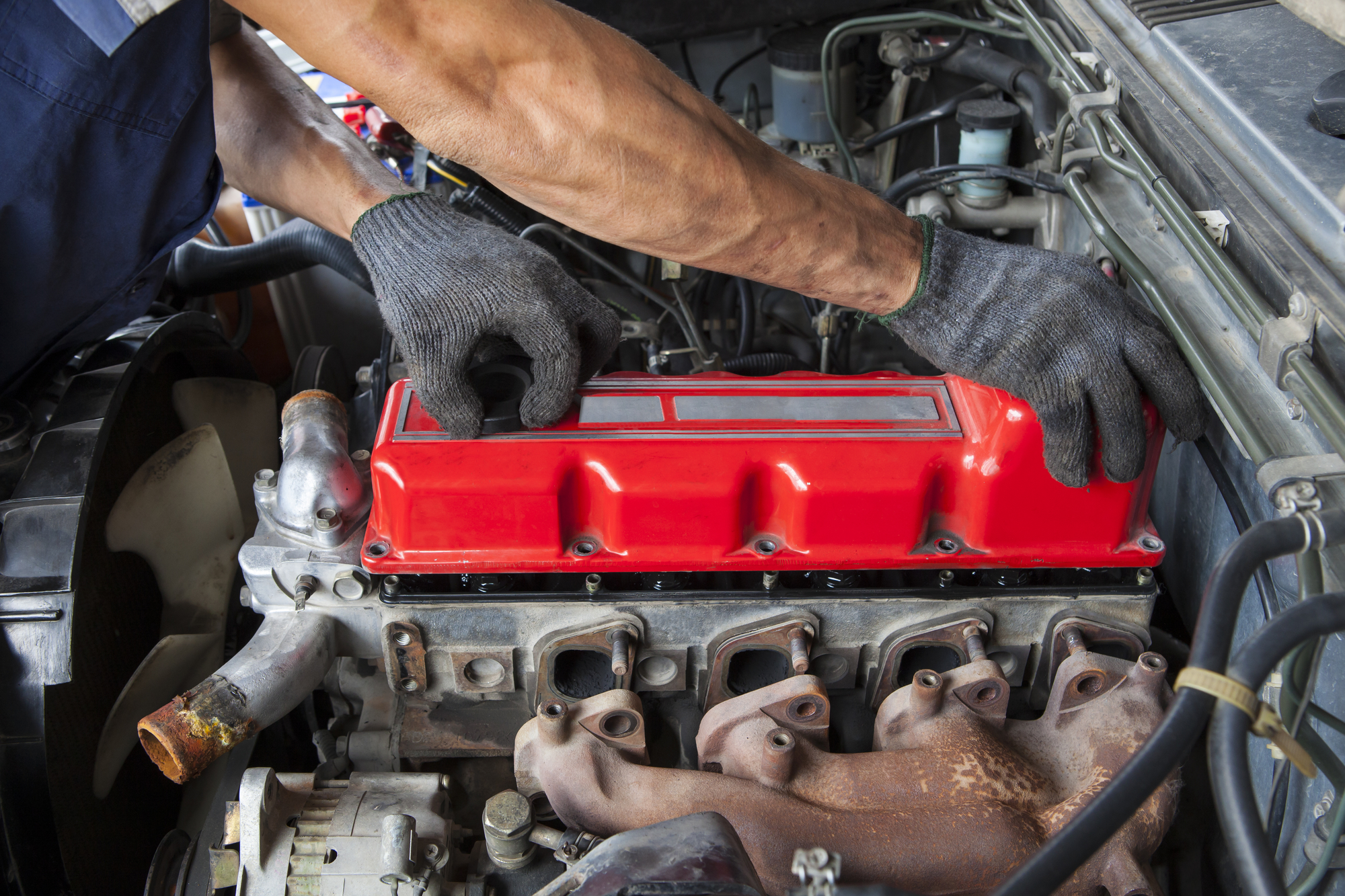
Is Upgrading to Synthetic Oil Worth It for Older Vehicles?
When your vehicle passes the 100,000-mile mark, routine maintenance shifts from simple upkeep to a strategy for longevity. Among the most frequent decisions facing owners of older cars is what type of motor oil to pour into the crankcase during an oil change. For decades, conventional motor oil was the standard for high-mileage engines. However, full-synthetic and synthetic-blend formulations have become the industry norm for modern vehicles, prompting many drivers of older models to wonder whether upgrading to synthetic oil is worth the higher price. Understanding how motor oil ages alongside your engine is key to making the best choice for your vehicle's performance and budget.
The Molecular Difference Between Synthetic and Conventional Oil
To understand how oil choice impacts an aging engine, it helps to examine how conventional and synthetic lubricants differ at a chemical level. Conventional motor oil is refined directly from crude oil pulled from the ground. Because it originates from a natural source, its molecular structure contains molecules of varying shapes and sizes, alongside trace impurities like wax and sulfur. As conventional oil circulates through an engine, these irregular molecules break down at different rates under heat and friction.
Synthetic motor oil, by contrast, is engineered in a laboratory setting. Through advanced chemical synthesis, manufacturers construct synthetic lubricants using uniform, customized molecules free of raw crude impurities. This precise molecular structure grants synthetic oil superior thermal stability, meaning it resists chemical breakdown at high operating temperatures and flows much more fluidly in freezing weather. Synthetic blends sit in the middle, combining conventional base oils with synthetic additives to offer moderate performance improvements at a mid-tier price point.
Dispelling the Myth: Will Synthetic Oil Cause Leaks in Older Engines?
A persistent myth among car owners claims that switching an older engine from conventional to synthetic oil will instantly cause oil leaks. Decades ago, when synthetic oils were first introduced in the 1970s, early formulations contained chemical compounds that caused certain rubber engine seals and gaskets to shrink or harden over time, leading to weeping seals.
Modern synthetic oils are engineered to be fully compatible with all contemporary and vintage seal materials. However, synthetic oil can occasionally reveal an existing mechanical leak that was previously hidden. Because synthetic oil molecules are uniform and smaller than the degraded molecules of old conventional oil, and because synthetic oil contains active detergents designed to dissolve sludge buildup, it can clean away dried oil deposits that were physically blocking a cracked gasket. If your engine’s seals are intact, synthetic oil will not cause a leak; if your seals are already dry and cracked, synthetic oil may simply expose the damage that was already present.
The Real Benefits of Synthetic Oil for High-Mileage Engines
For engines with significant mileage, the physical advantages of synthetic oil directly address the reality of mechanical wear. As engine components age, clearances between internal metal parts widen slightly, making consistent lubrication even more critical to prevent metal-on-metal contact.
Superior Cold-Start Protection: Statistics show that a large portion of engine wear occurs during cold starts before oil reaches full operating pressure. Synthetic oil flows almost instantly upon startup, even in freezing winter conditions, reducing dry friction on cylinder walls and camshafts.
Resistance to Sludge and Thermal Breakdown: Older engines often run hotter due to accumulated carbon deposits and worn cooling system components. Synthetic oil maintains its viscosity under extreme heat, preventing the formation of thick, tar-like engine sludge that clogs narrow oil passages.
High-Mileage Additive Packages: Many full synthetic oils formulated specifically for high-mileage vehicles contain specialized seal conditioners. These additives help swell and soften aged rubber gaskets, actively preventing minor oil seepage and reducing oil consumption.
When Is Upgrading to Synthetic Worth the Cost?
While full synthetic oil can cost significantly more per oil change than conventional oil, the long-term protection it offers makes it a smart investment for most drivers who plan to keep their older vehicle running as long as possible. If you frequently drive in extreme cold or heat, tow heavy loads, encounter stop-and-go city traffic, or want to extend the interval between oil changes safely, upgrading to full synthetic or high-mileage synthetic is well worth the extra expense.
On the other hand, if your older vehicle suffers from severe active oil leaks, topping off with conventional or synthetic blend oil may be the more practical financial choice. Consulting with a trusted auto repair technician can help you evaluate your engine's current condition, enabling you to select the precise oil weight and formulation that keeps your car running smoothly for miles to come.
Frequently Asked Questions
How much longer can I wait between oil changes if I switch my older car to full synthetic oil?
While synthetic oil resists breakdown much longer than conventional oil, you shouldn't rely solely on mileage intervals for an older engine. High-mileage engines naturally collect more combustion byproducts and moisture in the crankcase. Even with full synthetic oil, it is best practice for older vehicles to follow a conservative schedule.
Can I safely switch back to conventional oil after using synthetic oil in my high-mileage engine?
Yes, you can safely switch back and forth between synthetic and conventional oil without harming your engine. Modern synthetic and conventional lubricants are chemically compatible with one another, which is precisely how synthetic blends are created. However, switching back to conventional oil means you will lose the enhanced thermal protection and cold-start lubrication benefits that full synthetic oil provides to an aging motor.
What is the difference between standard full synthetic oil and high-mileage full synthetic oil?
High-mileage full synthetic oil contains all the base benefits of standard synthetic oil plus a specialized additive package engineered for engines with over 75,000 miles. These additives include seal conditioners that restore flexibility to hardened rubber gaskets to prevent oil weeping and other issues.
If my older engine already consumes a little oil between services, will synthetic oil make it burn faster?
Because synthetic oil flows more freely and has a uniform molecular structure, it can pass through worn valve guides or piston rings slightly more easily than thick, sludgy conventional oil. However, if your engine is burning a noticeable amount of oil, the issue is mechanical wear rather than the oil type itself. Choosing a high-mileage synthetic oil formulated with a slightly higher viscosity index and seal-swelling agents often helps reduce or stabilize oil consumption over time compared to standard oils.
